IV therapy accelerates surgical recovery by providing rapid hydration, essential nutrients, and inflammation control, ensuring better healing outcomes.

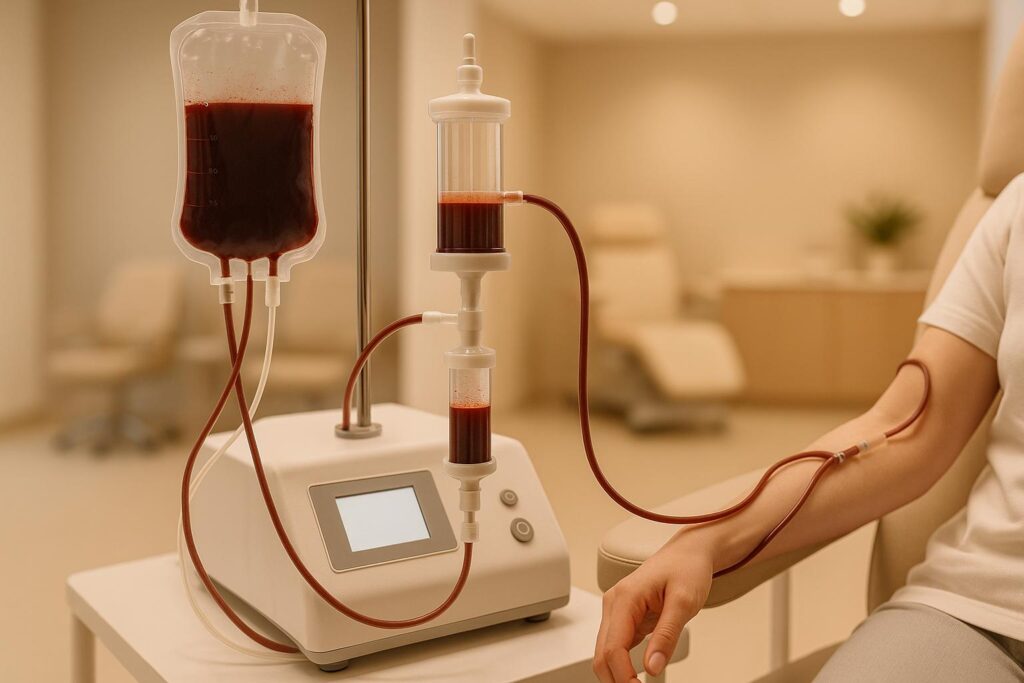
IV therapy helps speed up surgical recovery by delivering fluids, nutrients, and medications directly into your bloodstream. This method bypasses your digestive system, ensuring faster absorption and immediate support for hydration, tissue repair, and inflammation management. Here’s what you need to know:
- Hydration: Surgery often causes dehydration due to fluid loss and limited intake. IV therapy rehydrates your body more effectively than drinking fluids.
- Nutrient Support: Essential nutrients like Vitamin C, B-complex vitamins, magnesium, and zinc are delivered directly, aiding healing and boosting your immune system.
- Inflammation Control: Anti-inflammatory nutrients reduce swelling and pain, helping your body heal faster while potentially lowering reliance on painkillers.
- Customised Treatments: IV therapy can be tailored to your specific recovery needs, ensuring precise care based on your surgery and health status.
Studies show IV therapy can reduce infections, shorten hospital stays, and improve energy levels during recovery. Clinics like IV Boost UK offer personalised plans, combining IV therapy with complementary treatments like ozone therapy and supplements for added recovery support. Always consult a professional for safe and effective use.
Main Benefits of IV Therapy in Surgical Recovery
IV therapy plays a key role in surgical recovery by delivering nutrients directly into the bloodstream. This approach speeds up cellular repair and minimises complications, ensuring the body gets what it needs to heal effectively.
Fast Rehydration
Surgical procedures can throw your body’s fluid balance off track. Blood loss, stress responses, and limited fluid intake often lead to dehydration, which can slow down recovery [2]. IV therapy provides a solution, rehydrating the body up to four times faster than drinking fluids [5]. Considering that about 60% of the human body is water, proper hydration is essential for regulating temperature, transporting nutrients, and flushing out waste [4].
“IV fluids are specially formulated liquids that are injected into a vein to prevent or treat dehydration.” – Cleveland Clinic [4]
Rehydration through IV therapy also stabilises blood pressure, improves blood flow, and ensures oxygen is efficiently delivered to tissues. In addition, it helps lower the risk of complications like kidney damage or urinary tract infections, which can arise from dehydration.
Nutrient Replacement
Recovering from surgery demands higher levels of nutrients, and IV therapy ensures your body gets them without the limitations of oral absorption [6].
Take Vitamin C, for example. When administered intravenously, it can reach plasma levels up to 100 times higher than oral intake [7]. This powerful antioxidant is essential for neutralising free radicals and promoting collagen production – both critical for wound healing. Similarly, B vitamins fuel energy production and cellular metabolism, giving your body the power it needs to recover. Magnesium supports muscle and nerve function, while glutathione, often referred to as the “master antioxidant”, aids in detoxification and strengthens immune defences [6].
What sets IV therapy apart is its customisable nature. Healthcare providers can tailor the nutrient mix and dosage to address your specific recovery needs, ensuring a more targeted approach. Additionally, this method actively reduces inflammation, which can otherwise hinder healing.
Lower Inflammation and Pain
Inflammation is a natural part of recovery, but excessive inflammation can slow the process and increase discomfort. IV therapy combats this by delivering anti-inflammatory nutrients directly into the bloodstream [6].
For instance, a study found that patients receiving 15 g of Vitamin C after knee replacement surgery showed reduced inflammatory markers like C-reactive protein (CRP) and erythrocyte sedimentation rate (ESR) [8]. Vitamin C not only neutralises harmful free radicals but also lowers levels of pro-inflammatory cytokines such as IL-6 [8]. This is especially important given that up to 54.4% of patients undergoing surgery for lower extremity fractures may already have a Vitamin C deficiency [9]. Addressing such deficiencies through IV therapy ensures the body has the tools it needs to heal efficiently.
By reducing inflammation, IV therapy can also help minimise the reliance on opioid painkillers, which often come with side effects like nausea, constipation, and mental fog. As highlighted by the Journal of Translational Medicine:
“Chronic inflammation is a major contributing factor to many serious diseases, making targeted interventions crucial for prevention and treatment.” – Journal of Translational Medicine [6]
Common IV Nutrients and Protocols for Surgical Recovery
Knowing which nutrients are most effective for surgical recovery can help you feel more confident about your treatment choices. IV therapy plays a key role in recovery by delivering specific nutrients that target post-surgical challenges.
Key Nutrients in IV Therapy
Electrolytes are essential for maintaining hydration and fluid balance in the body. After surgery, blood loss, medications, and reduced fluid intake can disrupt these levels, making electrolyte replenishment crucial for recovery [10].
B-complex vitamins act as energy boosters during the healing process. Delivered via IV, they bypass the digestive system, enabling faster absorption to support metabolism and energy production [3].
Vitamin C is vital for tissue repair and immune support. When administered in therapeutic doses through IV therapy, it promotes faster healing and strengthens the body’s defences [3].
Magnesium helps alleviate muscle cramps and reduce inflammation after surgery. This mineral is involved in over 300 enzymatic reactions, including those critical for protein synthesis and cellular repair [3].
Zinc is a key player in wound healing and inflammation reduction. High doses of zinc, delivered through IV therapy, are particularly beneficial for surgical recovery, as a deficiency can significantly delay the healing process [14].
Amino acids provide the raw materials for rebuilding tissues and supporting the immune system. Each amino acid contributes to different aspects of recovery, making them indispensable for post-surgical care [2].
Glutathione, often called the “master antioxidant”, helps eliminate harmful free radicals and detoxify the liver. This is especially important after surgery, when oxidative stress levels rise due to healing and medications [11].
Personalised IV Protocols
IV therapy protocols are customised to suit your specific needs, taking into account factors like the type of surgery, your medical history, and recovery goals. This tailored approach ensures you receive the right combination of nutrients in the appropriate doses.
“Each IV session is customized based on your surgical timeline and recovery goals. Our team will work closely with your provider to optimize your healing process.” – Genesis Health Institute [12]
Customisation begins with a thorough assessment of your condition and nutritional requirements. Elements such as age, overall health, and any pre-existing deficiencies are key in shaping the protocol. These personalised plans work alongside the immediate hydration and nutrient replacement benefits of IV therapy to support optimal recovery.
Timing is also critical. Starting IV therapy within the first few days after surgery can maximise its benefits, addressing immediate nutritional needs and setting the stage for effective healing [13]. As your recovery progresses, healthcare providers can adjust the nutrient blend to meet your evolving needs, ensuring ongoing support at every step.
Additional Recovery Options
For added antioxidant support, MitoGive® S-Acetyl Glutathione Capsules can complement IV therapy. This form of glutathione is more bioavailable, crossing cell membranes more effectively than standard supplements. It offers sustained antioxidant protection, helping reduce oxidative stress and support recovery between IV sessions.
Combining oral glutathione supplements with IV therapy creates a well-rounded recovery strategy. While IV treatments provide an immediate nutrient boost, the capsules offer continuous support, bridging the gap between sessions. Many healthcare providers recommend starting oral supplementation alongside IV therapy to enhance results and strengthen the recovery process.
These personalised nutrient strategies offer a comprehensive approach to surgical recovery, ensuring safe and effective healing tailored to your unique needs.
Safety and Clinical Considerations
IV therapy can be a powerful tool in aiding surgical recovery, but it requires careful medical supervision and thorough patient evaluation to ensure the best outcomes.
Medical Screening and Professional Oversight
For IV therapy to be safe and effective in surgical recovery, a detailed medical evaluation is crucial. The cornerstone of this evaluation is a comprehensive medical history, which examines past and current health conditions, allergies, medications, and any previous experiences with anaesthesia. Alongside this, a physical examination assesses key functions like the airway, lungs, and cardiovascular system, with vital signs and risk factors carefully documented. Ideally, this screening happens weeks before surgery to allow enough time for proper preparation [15][16].
“The ultimate goals of preoperative medical assessment are to reduce the patient’s surgical and anesthetic perioperative morbidity or mortality, and to return him to desirable functioning as quickly as possible.” – A Zambouri [15]
Laboratory tests are tailored to the patient’s age, medical history, and the complexity of the surgery. The table below outlines some common screening protocols based on patient categories:
| Patient Category | Common Testing |
|---|---|
| Healthy patients ≤ 40 years | Haemoglobin; urine pregnancy screening for women of childbearing age |
| Healthy patients > 40 years | ECG; blood glucose (for those aged ≥ 45 years) and standard tests |
| Cardiovascular disease | ECG; chest radiographs; haemoglobin; electrolytes; BUN; creatinine |
| Pulmonary disease | Chest radiographs; haemoglobin; glucose; ECG (for patients over 40 years) |
| Malnutrition | Albumin; lymphocyte count; additional tests based on the primary condition |
Continuous professional oversight during IV therapy is vital. Trained medical staff must monitor the administration process to quickly identify and address any adverse reactions [2]. This rigorous approach ensures that IV therapy is only provided to those who will benefit most, and that it is delivered safely.
Who Can Benefit from IV Therapy?
IV therapy is particularly helpful for patients who struggle with oral intake or are dealing with preexisting malnutrition. Those undergoing complex surgeries often face challenges like nausea, digestive issues, or a reduced appetite, making IV administration a practical solution [19]. Elderly patients, who are more prone to malnutrition, may need preoperative nutritional support or even surgery delays if severe deficiencies are identified [16]. Additionally, individuals with demanding recovery timelines often find IV therapy to be an efficient way to meet nutritional needs. However, patients with congestive heart failure (CHF) or chronic kidney disease (CKD) must be monitored closely due to their higher risk of fluid overload [18].
Possible Side Effects and Precautions
Despite its benefits, IV therapy does carry risks. Research shows that complications occur in 17% of surgical patients, emphasising the importance of thorough risk assessment and vigilant monitoring [16]. Common issues include air embolism, collapsed veins, fluid overload, haematomas, infections, infiltration, and phlebitis [4]. These complications are often linked to improper techniques or insufficient supervision.
High doses of IV fluids can also lead to more serious problems, such as kidney damage, irregular heart rhythms, blood pressure fluctuations, gastrointestinal discomfort, and nerve damage. Patients should immediately inform their healthcare providers if they notice any unusual symptoms, such as pain at the IV site, headaches, or breathing difficulties [17].
“Anything we place in the human body can carry risk, including those things which are thought to be natural, such as vitamins or fluids.” – Dr. Brent A. Bauer, Director of Research at the Mayo Clinic section of Integrative Medicine and Health [17]
To minimise risks, patients should disclose all medications they are taking to avoid interactions [17] and inform their providers about any known allergies. Since IV fluids are considered medications, they require strict safety measures [18]. Continuous monitoring during treatment helps detect early signs of irritation, inflammation, or infection, such as redness, swelling, or tenderness at the IV site [18].
IV Boost UK: Expertise in Surgical Recovery Suppor
IV Boost UK stands out as a leader in providing specialised care for surgical recovery through medically supervised IV nutrient therapy and complementary treatments. Founded by Dr Joshua Berkowitz in London, the clinics on Wimpole Street in Marylebone and Berkhamsted in Hertfordshire focus on addressing the unique challenges patients face after surgery, offering tailored solutions to aid recovery.
Customised IV Nutrient Therapy
IV Boost UK takes a personalised approach to IV nutrient therapy, ensuring that each treatment is designed to meet the specific needs of the patient. Before any therapy begins, patients undergo a thorough assessment to identify nutrient deficiencies and other factors that may impact their recovery.
“At IV Boost UK, you are first assessed by your specially trained IV specialist. They will take into account your pre- or post-operative health and establish any nutrient deficiencies that should be addressed by your IV treatment, before prescribing you a bespoke treatment plan.” [20]
These bespoke treatment plans are carefully crafted based on the type of surgery, the patient’s baseline nutritional status, and any complications that may arise during recovery. The intensity and frequency of treatments are adjusted to align with the patient’s healing process and individual tolerance.
“Remember, each surgical procedure and patient is unique. Therefore, our IV therapies are personalised to meet your specific needs and health conditions, ensuring you receive the most effective care possible.” [21]
Ozone Therapy for Enhanced Recovery
Ozone therapy is another key offering at IV Boost UK, aimed at improving cellular healing during the post-operative phase. This therapy plays a crucial role in boosting tissue oxygenation, which is essential for cellular repair and metabolism.
Additionally, ozone therapy helps balance oxidative stress by enhancing the body’s antioxidant defences and reducing harmful reactive oxygen species (ROS). Its anti-inflammatory properties support the resolution of inflammation by lowering pro-inflammatory cytokines and promoting tissue repair.
Research backs the effectiveness of ozone therapy in wound healing. For example, one study found that 61.70% of patients in the treatment group experienced complete healing, compared to 38.33% in the control group. The study also reported significant reductions in bacterial cultures by day 3 and noticeable decreases in pain levels by day 10 [22]. Furthermore, ozone therapy stimulates tissue repair and angiogenesis by increasing the production of proteins that activate fibroblasts and encourage new blood vessel growth, making it a valuable addition to recovery strategies.
MitoGive® S-Acetyl Glutathione Capsules
To complement IV and ozone therapies, IV Boost UK offers MitoGive® S-Acetyl Glutathione Capsules, which provide ongoing antioxidant support. These capsules are particularly beneficial in maintaining cellular health between IV sessions.
Unlike standard glutathione, which can break down in the digestive system, the S-acetyl form is specially designed for better absorption and cellular delivery. This ensures that the antioxidant reaches the cells where it is most needed.
Surgical recovery often depletes the body’s glutathione reserves due to oxidative stress caused by surgery, anaesthesia, and medications. MitoGive® capsules help replenish these reserves, supporting mitochondrial function and cellular repair. This ensures that the body has the energy required for efficient healing.
Conclusion
IV therapy has emerged as an effective and reliable method for aiding surgical recovery, tackling the key challenges patients encounter post-surgery. By delivering essential nutrients, fluids, and compounds straight into the bloodstream, this treatment bypasses the slower process of oral supplementation, offering immediate support when the body needs it the most.
The benefits of IV therapy work together to speed up recovery in three main ways: rapid rehydration replenishes fluids lost during surgery, nutrient replacement supplies the vitamins and minerals needed for tissue repair, and anti-inflammatory support reduces swelling and combats oxidative stress, creating the ideal conditions for cellular healing and regeneration [1][23].
“IV therapy gives your body all the necessary supplements for healing after surgery. Our IVs send essential vitamins and minerals into your bloodstream, so your body can absorb them and put them to use right away.” – Mobile IV Nurses [1]
What makes IV therapy stand out is its ability to deliver nutrients with immediate bioavailability. By providing therapeutic doses directly to cells, it ensures maximum absorption and faster results. Patients often experience reduced fatigue, quicker recovery times, and shorter hospital stays as a result [2][23]. This efficiency reflects the patient-focused care protocols offered by IV Boost UK.
IV Boost UK has built a reputation for excellence in surgical recovery treatments. Founded by Dr Joshua Berkowitz, the clinic combines medical expertise with personalised care plans to address the unique surgical and health needs of each patient. Every treatment is preceded by a detailed medical evaluation, ensuring the highest level of care.
The clinic’s holistic approach integrates personalised IV therapy, ozone therapy, and MitoGive® capsules to support both immediate and long-term recovery. This multi-faceted strategy equips patients with the resources they need for optimal healing and overall well-being.
Safety is at the forefront throughout the entire treatment process. Each patient undergoes a thorough medical assessment by qualified professionals to ensure the suitability and effectiveness of their IV therapy plan. Using medical-grade products under expert supervision, IV Boost UK prioritises patient confidence and maximises the therapeutic benefits of their treatments. Together, these measures highlight the comprehensive care available to support surgical recovery in the best possible way.
FAQs
Why is IV therapy more effective than oral supplements for surgical recovery?
IV therapy stands out as a more efficient option than oral supplements for surgical recovery. Why? It delivers nutrients straight into the bloodstream, skipping the digestive system entirely. This means faster absorption and nearly 100% bioavailability, allowing the body to make the most of the vitamins and minerals it receives.
On the other hand, oral supplements have to go through the gastrointestinal tract. This process can slow down absorption and make it less predictable due to factors like digestion and individual metabolic variations. For someone recovering from surgery, the quick and direct nutrient delivery of IV therapy can play a key role in speeding up healing, boosting energy levels, and strengthening the immune system.
What are the possible risks of IV therapy during surgical recovery, and how can they be safely managed?
While IV therapy is generally considered safe and can aid in surgical recovery, it’s not entirely without risks. Potential issues include soreness or bruising at the injection site, allergic reactions, vein inflammation, air embolism, and infection. Although these complications are uncommon, they can happen if proper care isn’t taken.
To reduce these risks, it’s essential that treatments are carried out under strict medical supervision by qualified professionals. This includes using sterile equipment, closely monitoring for any signs of allergic reactions, and ensuring the therapy is administered with precision. Additionally, tailoring treatment plans to suit individual needs plays a key role in promoting a safe and smooth recovery process.
Can IV therapy be tailored to support recovery from specific surgical procedures, and what are the benefits of this customisation?
IV therapy can be adjusted to meet the specific needs of various surgical recoveries. By carefully selecting the right mix of nutrients, fluids, and medications, it can address particular recovery objectives, such as easing inflammation, boosting hydration, and aiding tissue repair.
This customised method helps tackle common post-surgery challenges like fatigue, nausea, and a weakened immune system, all while encouraging quicker healing and smoother recovery. Tailored IV therapy ensures your body receives the precise support it needs to heal effectively and comfortably.

IV Boost are a team of leading experts in 25 types of IV nutrient therapy with over 7 years of experience and trusted by over 10,000+ happy customers.
IV Boost have clinics in central London and Berkhamsted.